
Author: admin

  • Blossoming You with Wild Way Retreats — 16th – 19th April ’26

    Blossoming You with Wild Way Retreats — 16th – 19th April ’26

    Thursday 16th April to Sunday 19th April 2026.

    A retreat for women approaching a changing season in their lives, in a tender space between change and becoming, led by Lucy Furniss and Andrea Hobbs.

    Blossoming You is for any woman who feels she’s at a fork in the road, or at a threshold – because of menopause, loss, or other life-change. Are you seeking a space to rest into the rhythm of becoming? If this resonates deep inside your mind, heart, body and soul, then this offering is for you.

    Booking enquiries will be through email at wildwayretreats@gmail.com or through this contact form.

    Re-discovery & Renewal

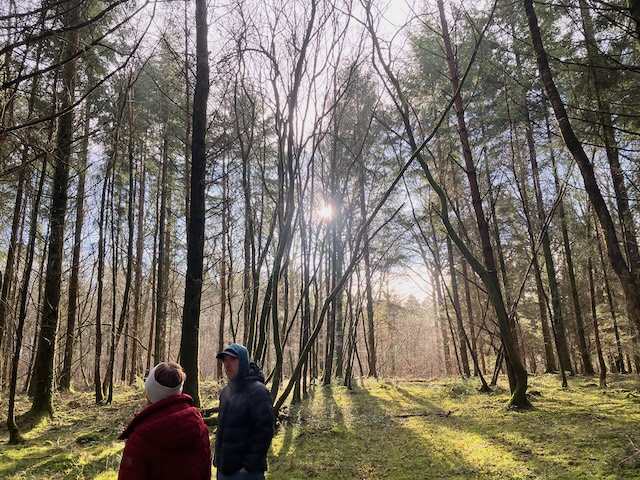
    ​Re-discovering your own blossoming-self is the theme of our Retreat: slowing down, and creating space for you to dream into beyond and connect deeply with the natural world around us. Our ancient ancestors knew how to listen to the whispers of the land and be open, and we’re passionate about returning to this lost wisdom.

    New shoots are stirring beneath the woodland floor. A New Moon emerges in the darkness. In this tender time of thresholds and potential, we invite you to join us for four days of slowing down—listening for what has ripened in the compost of your past, nurturing seeds that are waiting for rain and sunlight, and giving space to buds newly emerging.

    Together we’ll lean into the companionship of trees, the grounding of soil, and the wisdom of stillness found in nature. We’ll move gently between solitude and shared exploration—exploring bodywork, dreaming, and conversation with the land.

    ​​What’s included for you

    • Daily guidance by qualified, skilled and intuitive wild therapists
    • Daily Dream-circle weaving our visions together
    • Wild ‘sit spot’ solo time in nature
    • Relaxing guided meditations
    • Liminal Shamanic sound bath
    • Fireside talk and reflection time
    • Somatic movement to bring you to your body
    • Oracle card guidance
    • Rituals woven in honour of the season and what the group brings
    • Creating from natural objects
    • Group growth sharing
    • Nourishing time for yourself
    • Meet your Retreat Guides

    Retreat Highlights

    Nature Connection: Being still and connecting deeply with the natural surroundings, inviting a sense of inner peace and growth and entering into the liminal dream space.

    Holistic Activities: Engage in a variety of creative and somatic activities to bring you into connection with yourself and the support that arrives from nature, working with grief, loss, and letting go as well as opening to new possibilities.

    Shared Spaces: Immerse yourself in safe, warm and comfortable spaces – the perfect setting for supportive and restorative group experiences with women who share this journey.

    Our intention and invitation 

    We want to share and invite you to explore these spaces and uncover what’s alive in you. You will be spending 4 days and 3 nights nurturing your own uniqueness, held gently by the rhythm of the beautiful woodland at Hazel Hill.

    You will have support and space to listen to and seek your own wisdom – germinating insights that arrive and encourage you on your Soul’s journey.

    ​We’ll be inviting you to explore your edges, focus on the threshold you may find yourself at, and take a deep but gentle dip into your passions, hopes and fears.

    ​Our Wild Way Retreats are a held space for what is already emerging, and transforming in you as Woman on this land and in these times of great challenge and change. We offer a place where you can feed, water, and tend to your Soul’s growth.

    We promise compassionate companionship, presence, support, and beautiful surroundings where the dance of change may seek you, as your soul’s voice emerges in its own timing.

    What people say

    Below is just one of many beautiful reflections we’ve had from previous retreat attendees.

    Simply put, this retreat has enabled me to reclaim my power. It gave me the soft empowering space I needed to face my darkest fear and begin to move through it.Coming out of the retreat I have felt brave enough to make a huge life change that I didn’t think possible”

    Holly, 2024

    Meet your retreat guides
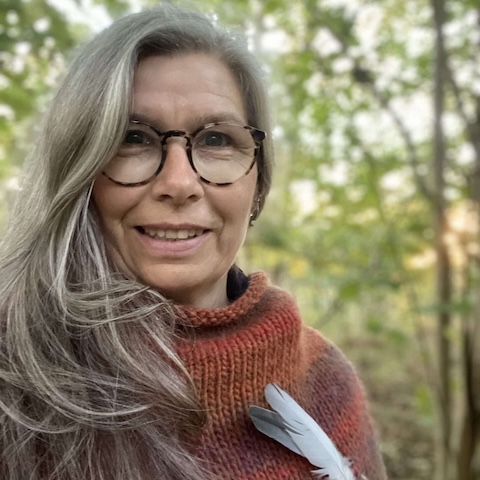
    Andrea Hobbs: Experienced crafter-artist, Wild Therapist, Meditation Mind Calm Coach, Tarot and Oracle Card Guide.

    At Blossoming You, Andrea tends the fertile meeting place between creativity, intuition, and the more-than-human world. With over four decades exploring alternative spiritual lineages, she walks with a grounded mysticism—one that trusts the Earth as teacher and imagination as bridge.

    Her intuition opens doorways into the unseen dimensions of experience: the shimmer between stillness and inspiration, the moment when silence begins to sing. Andrea invites participants to explore creativity not as performance, but as listening – to the land, to the body, to the inner whispers of the soul.

    Blending contemplative practice with artistic play, she helps you find balance between vision and embodiment, between wonder and presence. Under her guidance, transformation unfolds less as an event and more as a blossoming that knows its own timing.

    ​You can encounter more of her work at www.andreahobbs.co.uk.
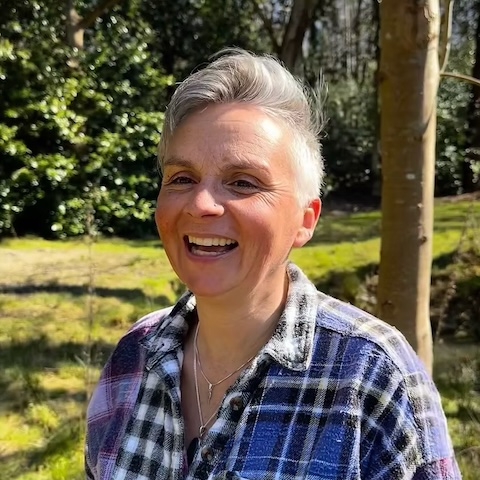
    Lucy Furniss: Experienced Gestalt and Wild Therapist

    “Andrea and I continue to journey towards, through and beyond our own experiences of change – embracing uncertainty, growing into new ways of being, leaning into the wisdom and delight offered by trees, animals and all the land.”

    ​At Blossoming You, Lucy walks alongside you as a companion at the edge of becoming. Drawing on her years of Gestalt practice and Wild Therapy, she helps participants listen to the subtle languages of body, land, and imagination—those quiet places where growth begins before it blooms.

    Lucy weaves dialogue, movement, and nature-based ritual to invite psychological and ecological rewilding. Her guidance encourages you to meet the more-than-human world not as backdrop, but as co-facilitator and mirror—helping you sense what wants to awaken and what is ready to rest.

    She holds a tender trust in the Earth’s capacity to teach and transform us, reminding each participant that blossoming isn’t about performance or perfection; it’s about remembering how to live in rhythm with the world that made us.

    ​Learn more about her ongoing practice at www.lucyfurniss.co.uk.

    Investment

    Includes expert guidance, materials, delicious vegetarian meals and bunkhouse accommodation or space for camping or campervan.

    Early bird price £457 per person available until 16th February 2026.

    ​Full price after that £487 per person.

    ​Optional ‘gift forward’ price £507 which enables us to begin to build up a bursary to support women who may want to attend but can’t afford the cost.

    Full payment required by 30th March 2026.

    A £250 deposit holds your place with us.

    We know that life can shift in unexpected ways, and while deposits are usually non-refundable, we’ll always do our best to work with you and find a kind solution if circumstances change.

    ​Payment plans available – feel free to ask.

    ​We hope to offer a couple of bursary places. If financial support would help you join us, please reach out.

    ​There’s only room for a maximum of 10 and so if this Retreat is calling you, please book early to avoid disappointment.

    ​Registration & booking

    For more detailed information and to book your place, please contact Lucy and Andrea at wildwayretreats@gmail.com or through this contact form.

    ​Due to the nature of this retreat, and to ensure that it is right for you before you commit, and that everyone feels comfortable and safe, we will arrange to speak with you on video call prior to you booking your place. Please email us to register your interest and we will contact you to arrange this.

    ​Additional Information

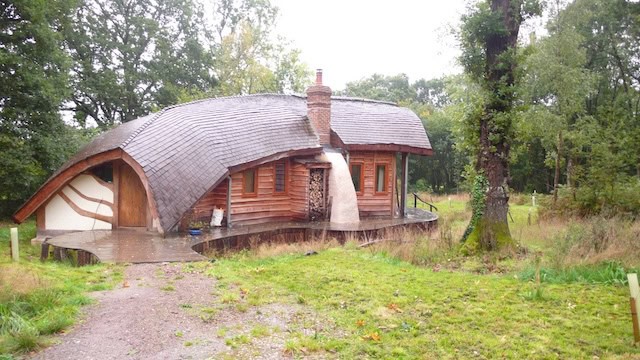
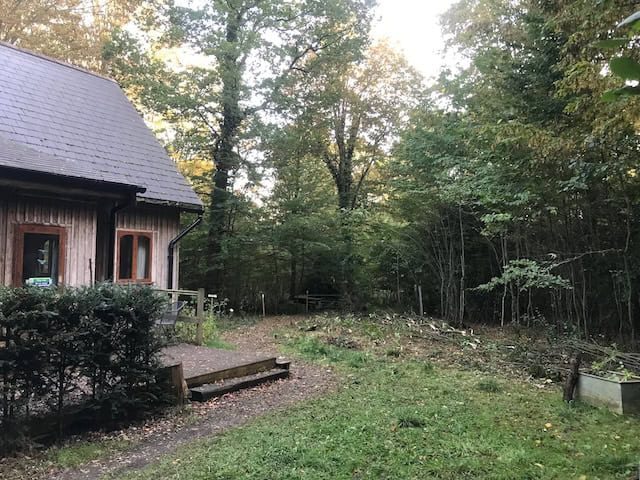
    Accommodation will be in the Oak House with some possibility for camping and campervan space.

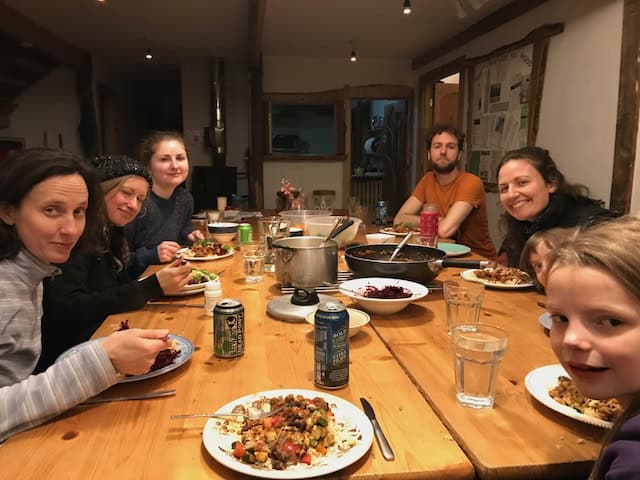
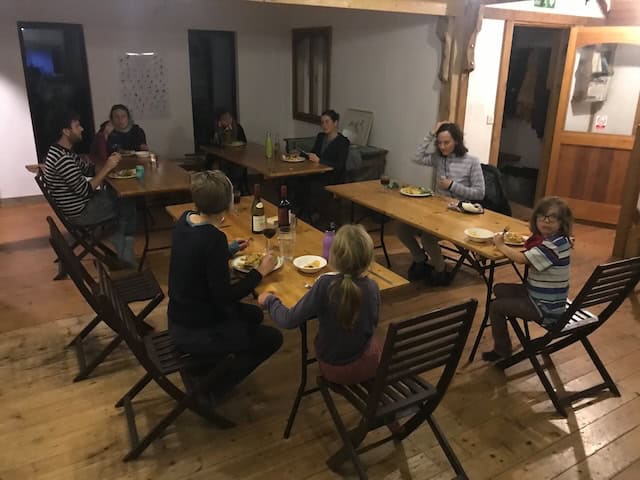
    ​Meals: Indulge in a vegetarian culinary journey where meals become a shared experience. All food is provided and prepared communally and where possible organic and/or sourced locally, offering a delightful blend of flavours. Together we will craft nourishing dishes to enhance your retreat experience.

    ​Cooking and providing for each other is part of this experience and an opportunity to be fully in community. However, you will not be expected to spend hours in the kitchen as most of the preparation is done by us!

    ​Dietary and Personal Requirements: Your well-being is our priority. Please inform us of any dietary requirements at the time of booking to ensure a personalised and satisfying culinary experience. If you have any personal, mobility or other requirements, please be in touch before booking to check your suitability for the site.

    ​Outdoor Environment: Please come ready and willing to be outdoors most of the time and bring appropriate clothing and footwear. Swimwear for wild swimming/dipping may be appropriate depending on the site.

    ​Note: This retreat is strictly alcohol and drug free. For enquiries please contact us at wildwayretreats@gmail.com.
  • Hello world!

    Welcome to WordPress. This is your first post. Edit or delete it, then start writing!

  • The Hazel Hill Butterfly Transect

    The Hazel Hill Butterfly Transect

    Story by Diane Cotter, Hazel Hill Wood volunteer

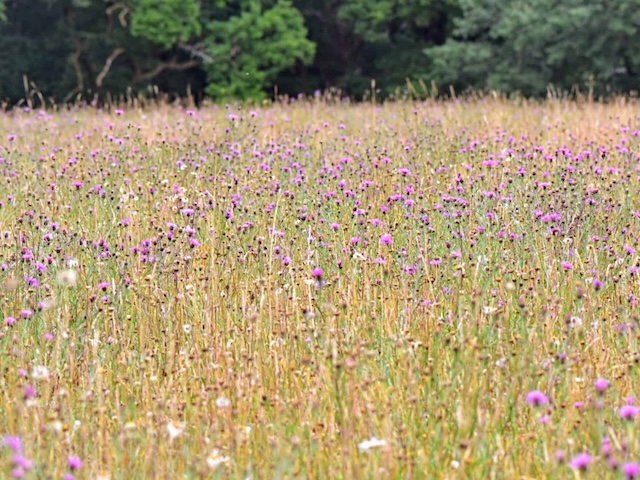
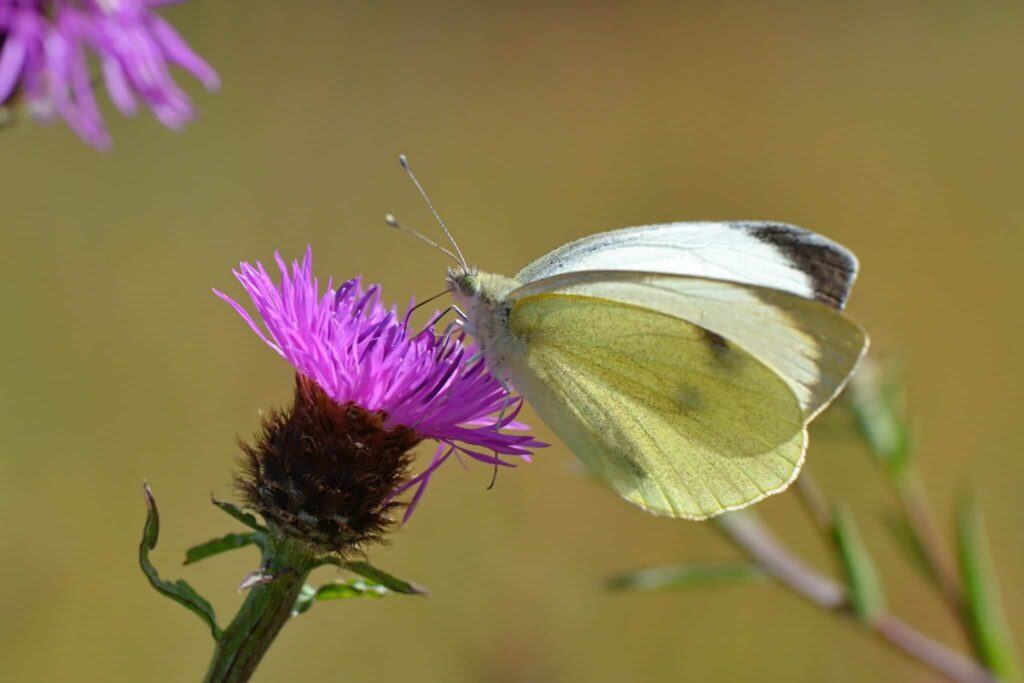
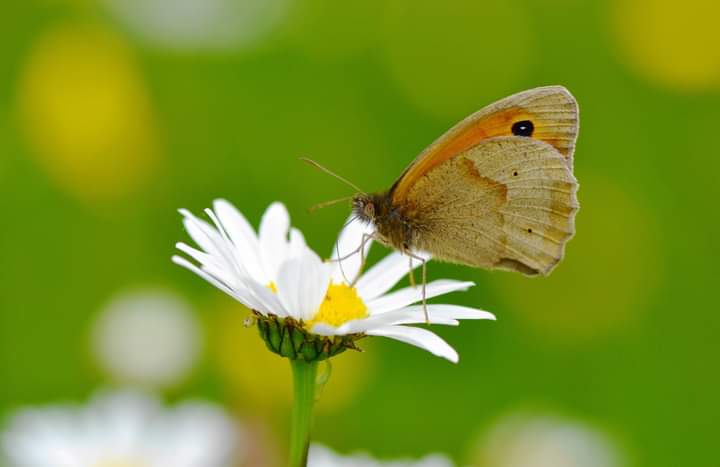
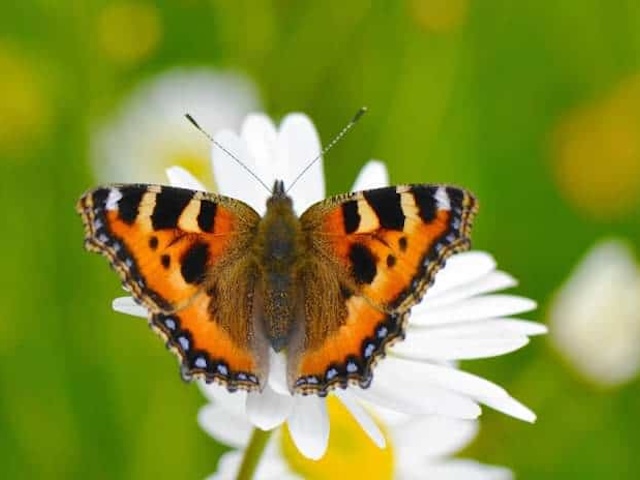
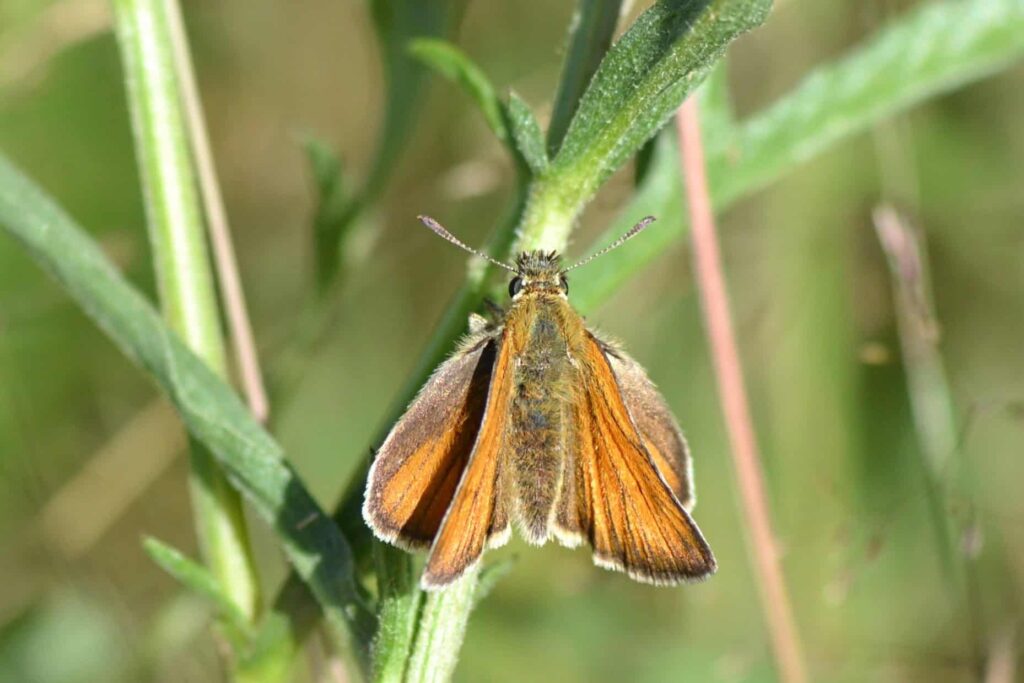
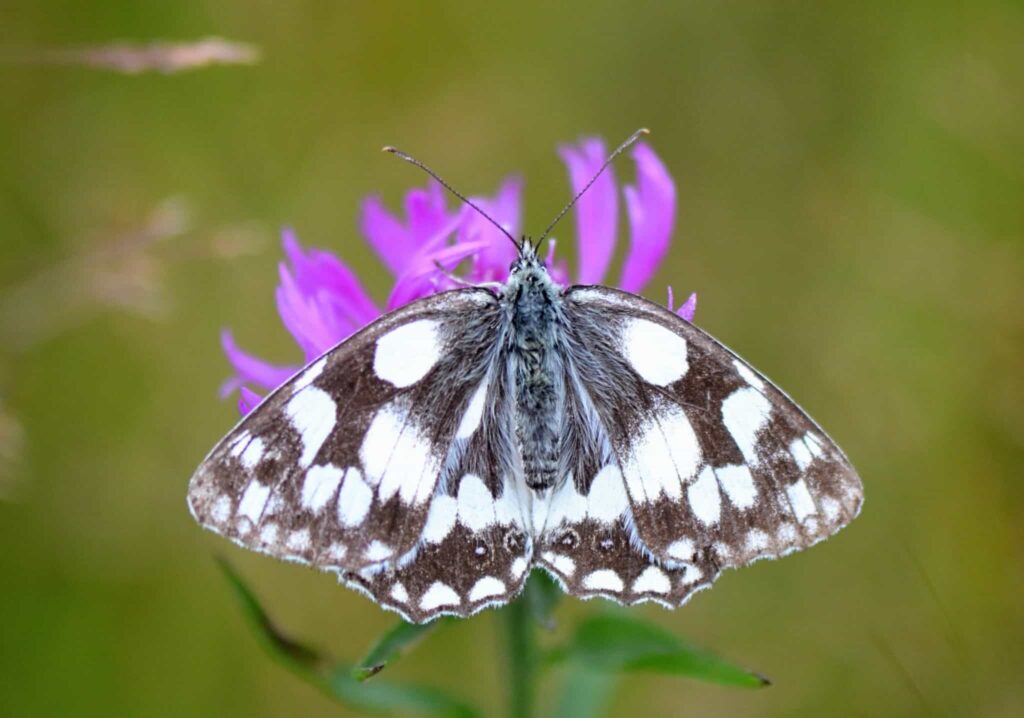
    It’s high summer, and the hot sun beats down from a cloudless blue sky as I walk through the flower-filled meadow, with butterflies swirling all around me. Some alight on the nearby Knapweed flowers to feed, so I have a brief chance to get a better look at them. There’s Meadow Browns mostly, plus Marbled Whites with their gorgeous black and white chequered wings – one of my favourite species! A few amber-coloured Small Skippers whizz by too. 
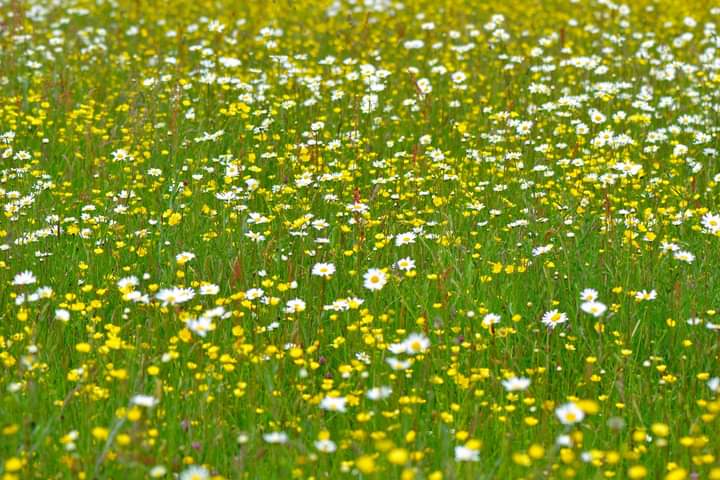
    It’s so peaceful the only sounds I can hear are the distant cooing of a Stock Dove from the nearby Copse, the gentle buzz of Bees, the rasping chirp of  countless Grasshoppers, and my feet brushing through the tall, dry grasses as I criss-cross the meadow from hedgerow to hedgerow.  I have time to notice how the meadow has changed colour since mid-summer. The glorious swathes of golden-yellow Buttercups and white Oxeye Daisies that filled the meadow in early June have been replaced by tall tawny grasses and purple Knapweed, dotted here and there with the occasional Oxeye Daisy still in flower.

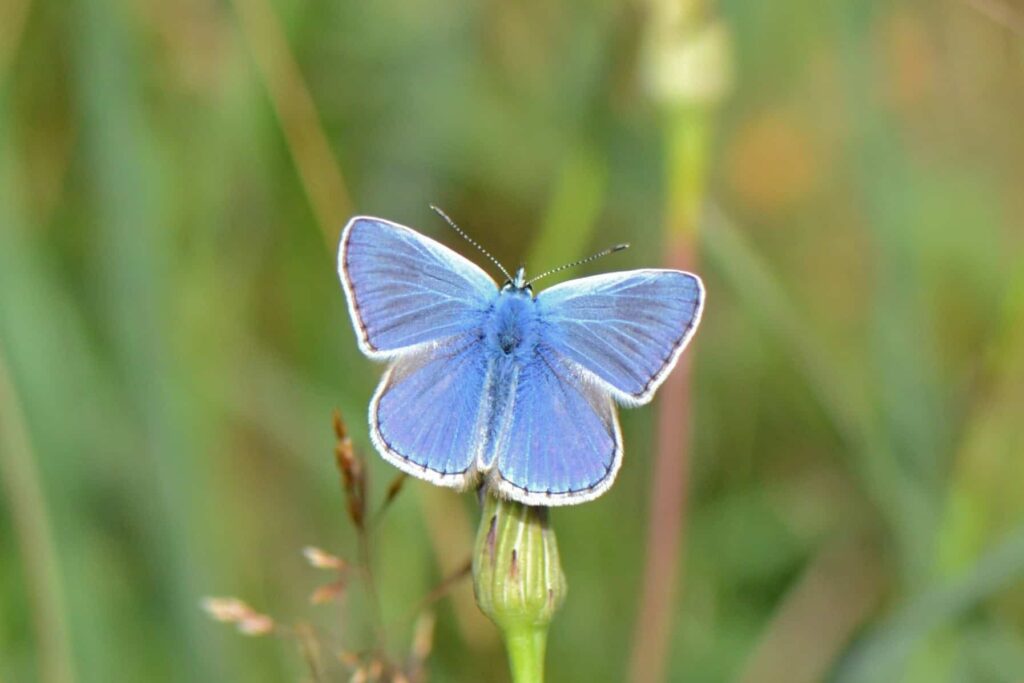
    Suddenly I see a flash of bright blue, as a male Common Blue flies by in pursuit of a female. She’s a very different colour to the male, with brown wings dusted blue, and orange spots dotted along the outer margins. I pause to add them to the tally, because I’m not here just to enjoy myself (though I am, of course!), I’m here on a butterfly transect, recording all the butterflies I see on a set route around the meadow and wood.

    Reaching the far hedgerow I spot a Gatekeeper nectaring on Bramble flowers. Also known as the Hedge Brown, it’s a well named butterfly as it’s almost always found by gateways and along hedgerows and field margins. Turning away I set off to cross the meadow three more times, adding more species to the list, including a beautiful Painted Lady, some Large Whites and a Brimstone, but mostly I’m recording Meadow Browns! 

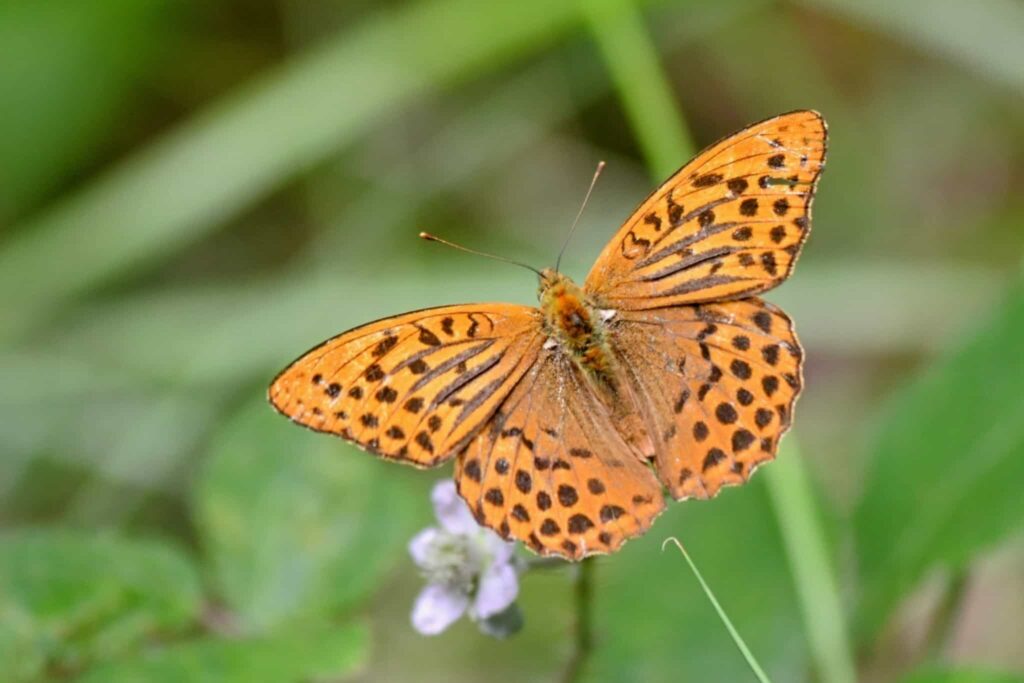
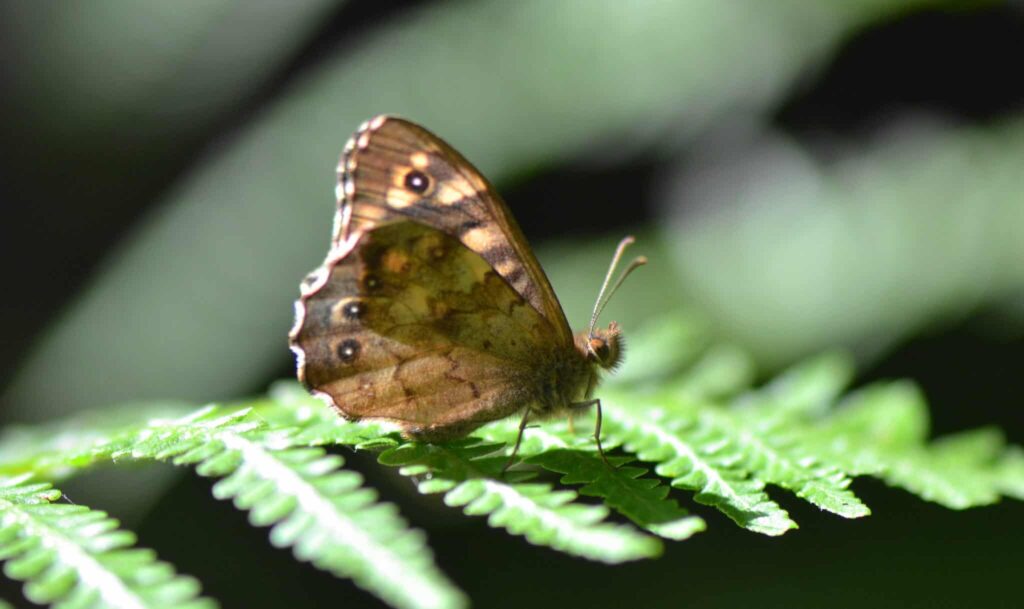
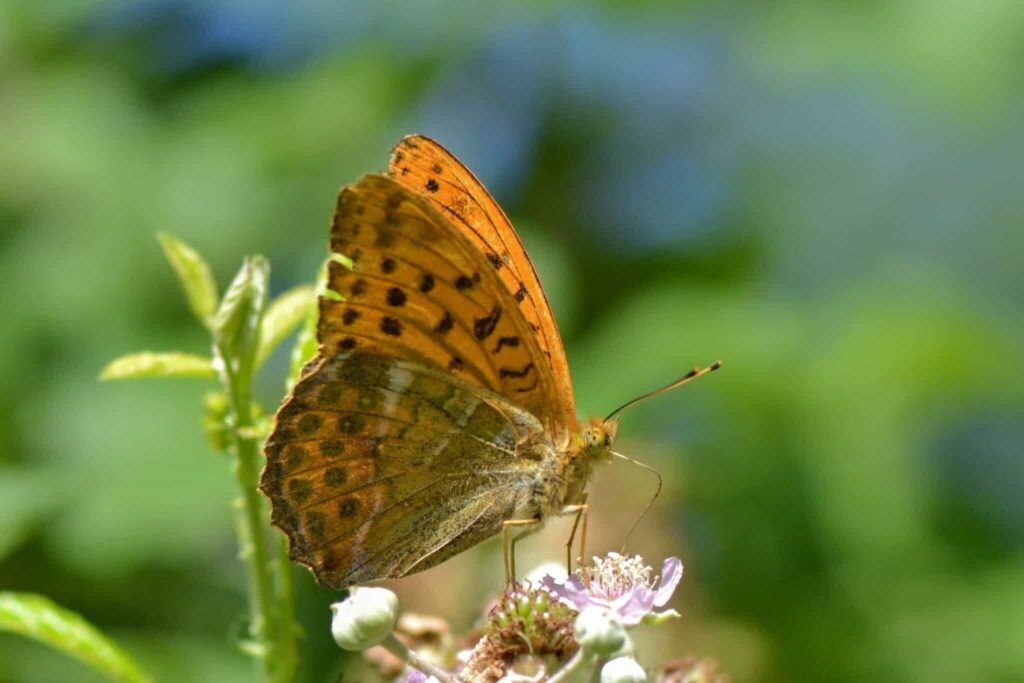
    It’s quite a relief to leave the simmering heat of the meadow and step into the cool shade of the Lime tree and out onto the track. Under the tunnel of trees it’s too shady for butterflies, but every now and then the tree canopy opens up enough to let in some dappled light, and it’s here that I see Speckled Woods, which thrive in these places. As I’m heading for the Northwest Frontier it’s not long before I’m on a more open ride. In the bright sunshine a large golden-brown butterfly charges towards me at speed and swoops past at head-height. It’s a male Silver-washed Fritillary. Such a stunning butterfly (and another favourite!).

    Carrying on along the ride I remember to look up into the lower tree canopy, and can’t believe my luck when I spot a Purple Hairstreak. It’s sitting on an Oak leaf with wings firmly closed, so I get a good view of its pale silver-grey underwings, and can even see the orange eyespot from where I am standing. These butterflies usually live high up in the Oak tree canopy, feeding on aphid honeydew, and only rarely come down to ground level, so I’m thrilled to see this one so close up. But I mustn’t linger for a moment longer, though, as stopping isn’t allowed on transect!

    It’s baking hot in the Northwest Frontier. There’s not a breath of wind, and the young trees hardly cast any shade. As I walk along the open grassy rides Grasshoppers flee from under foot, and Meadow Browns flutter over the grasses, in search of their caterpillar food-plants. I notice another golden-brown butterfly, but this time it’s a Comma, with beautiful scalloped wing edges. It lands on a dark Bramble leaf, closes its wings and seems to disappear. The wavy edges and cryptic brown underwing colours are a perfect camouflage, resembling the leaf it is sitting on. Only the white comma, which marks the lower hind underwing, and gives this butterfly its name, betrays its presence.

    Leaving the Northwest Frontier I set off down another dark tunnel of trees. Tall trees crowd the narrow, winding path, so at this time of year, with the trees in full leaf, little light reaches the woodland floor. Not a good place for most sun-loving butterflies, but there’s a few places where shafts of sunlight beam down, and sure enough I spot some Speckled Woods basking in these little patches of sun.

    Out again on more open rides I spot many more butterflies. Most are nectaring on the Bramble flowers that grow alongside the rides here. A brightly coloured Peacock and more lemon-yellow Brimstones are added to the tally, and I see the most Ringlets that I‘ve seen so far, as they prefer the slightly damper rides. Another dark tunnel of trees and then I’m out in the open again, passing by the still, tranquil pond. The water sparkles in the midday sun, dazzling my eyes, and I smell a slight sea-weedy aroma which reminds me of the sea. 

    No butterflies here, but large Dragonflies hawk over the water, and delicate red and electric-blue Damselflies dart like needles over the rushes and sedge that frill the pond margins. But there’s no time to stop and stare, and I continue on, through the Dancing Circle, where bright pink Betony flowers stud the grass and various butterflies abound. Beside the Dark Wood the open ride climbs uphill. It has been scythed quite recently, so there aren’t many flowers, but I still see a few butterflies here, including the last Silver-washed Fritillary of the transect. At Southern Cross I head north, under thickly planted Hazels, then out onto the car park, where a few more butterflies loiter in the hot sunshine. And my transect is done!

    In the past hour I have recorded 14 Butterfly species, seen over 300 butterflies, and enjoyed every minute! Back home the data I recorded will be submitted to the UK Butterfly Monitoring Scheme (UKBMS). One of the longest running insect monitoring schemes in the world, the data collected by the UKBMS is gathered through a network of citizen scientists walking designated transects, and the resulting dataset is one of the most important resources for understanding changes in our butterfly populations.

    The Hazel Hill transect was started by Conservation and Education co-ordinator Charley Miller in 2019. Divided into eight sections, it covers the different habitats and micro climates within this very special woodland and meadow setting. The transect is walked weekly from April to September, weather permitting – for butterflies are fair-weather creatures! The data collected will measure long-term changes in butterfly abundance and variety, and can be used to inform conservation management, and the effects of weather and climate change.

    I only started helping Charley with the transect three summers ago. Back then I was unfamiliar with the wood, so it took awhile to become totally familiar with the route. Now I know it like the back of my hand (I even know where most of the trip-hazards are, so mostly avoid them these days!). It’s been wonderful getting to know the meadow and wood’s fantastic flora and fauna, and feeling as though I’m making a small contribution to helping our beleaguered butterflies. 

    With an alarming 80% decline of our UK butterflies, due to habitat loss and fragmentation, pesticide use and climate change, it’s such a relief to see that Hazel Hill wood and meadow is providing a safe haven for these enchanting creatures.

    Story and photographs by Diana Cotter, Hazel Hill Volunteer.

  • Moth surveys with Dave

    Moth surveys with Dave

    I grew up in the city. I was Born in York and lived in North London until I married and moved to Hampshire and later to Wiltshire. Even when I was young I loved the natural world and spent as much time in the open air as possible. We were lucky to live fairly near Epping Forest back then and I spent much of my free time there. It was a four penny bus ride (or a three mile walk if you hadn’t got the fare.

    I’ve been fascinated by nature in general and insects in particular for as long as I can remember. The first natural history book I read as a child was a book about insects written by French Naturalist and Entomologist Jean Henri Fabre. I was absolutely enthralled and I’ve never looked back since. Insects are extremely important to the world. David Attenborough once said,”If we and the rest of the back-boned animals were to disappear overnight, the rest of the world would get on pretty well. But if the invertebrates were to disappear, the world’s ecosystems would collapse.” 

    I’ve been recording moths at Hazel Hill for several years now. As soon as I arrive I feel the quiet and peacefulness drifting over me. There aren’t too many places you can go to these days and not hear traffic noise. I trap moths at several nature reserves and Hazel Hill has always been one of my favourites. There is nothing like the feeling you get just standing amongst the trees just listening to the sounds. Especially at night when deer are barking and owls hooting. Then if you are lucky maybe a Nightjar calling.

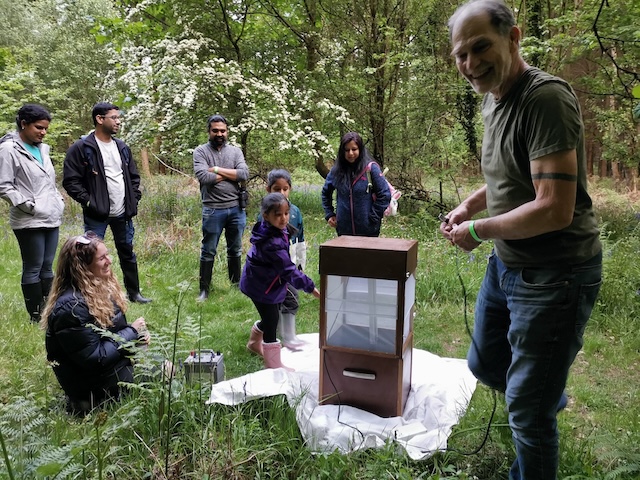
    I love catching moths, identifying and recording them, but at Hazel Hill there is the added bonus of meeting with the guests and showing them how we set up the traps and what we have caught overnight before releasing them unharmed. Moths fly all the year round, the majority fly at night but quite a few are day flyers. Most of them fly in June and July so it isn’t unusual to see forty or fifty species in one night if the weather is good.

    Another aspect of moth trapping I love is that we moth trappers are a community. Wherever you go the “Moth-ers” know each other. There are several of us who have permission to visit nature reserves throughout the summer to catch moths and we chat and visit each other’s traps to see what has been caught or swap news of any rare moth that has been caught. There is always lots to learn if you are part of a group. There will always be someone who knows more about moths than you or is knowledgeable about bats, birds, plants, fungi, mammals or reptiles.

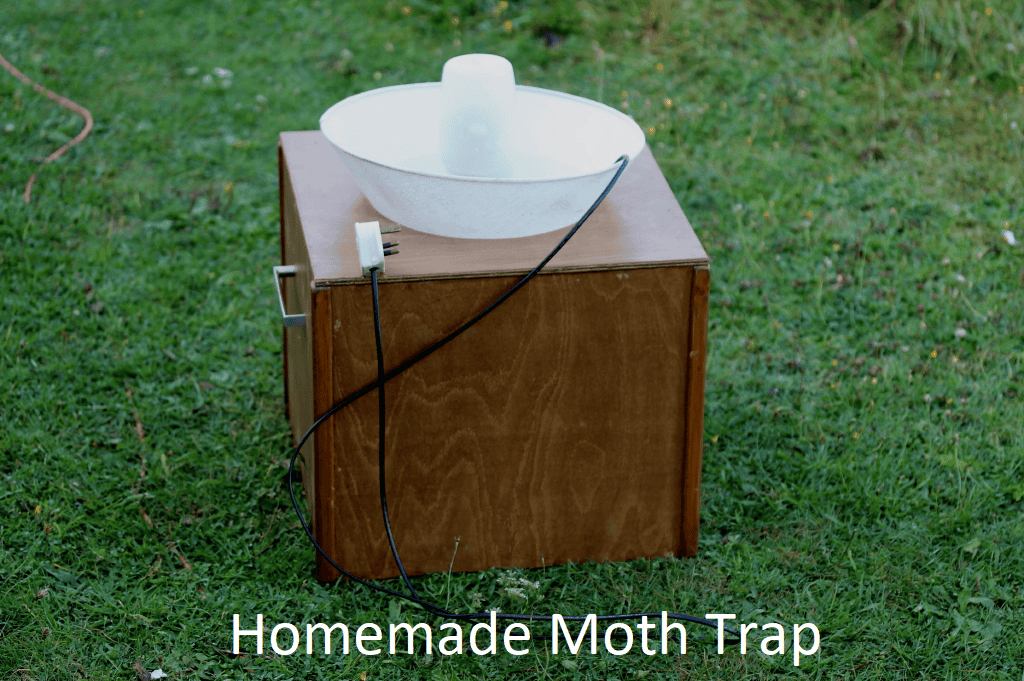
    I also enjoy making my own moth traps. A professionally built trap can cost two to four hundred pounds, whereas you can make one very cheaply. I usually make a plywood box with a removable lid which has a circular hole cut in it and an old coolie lampshade or large funnel placed in the hole in the top. Then all it needs is an ultra-violet light bulb. I just put some egg boxes in the bottom to give the moths somewhere to rest away from the light and they settle down for the night. At home I plug it into the mains. At Hazel Hill I use a car battery and an inverter which changes the battery voltage to mains power.

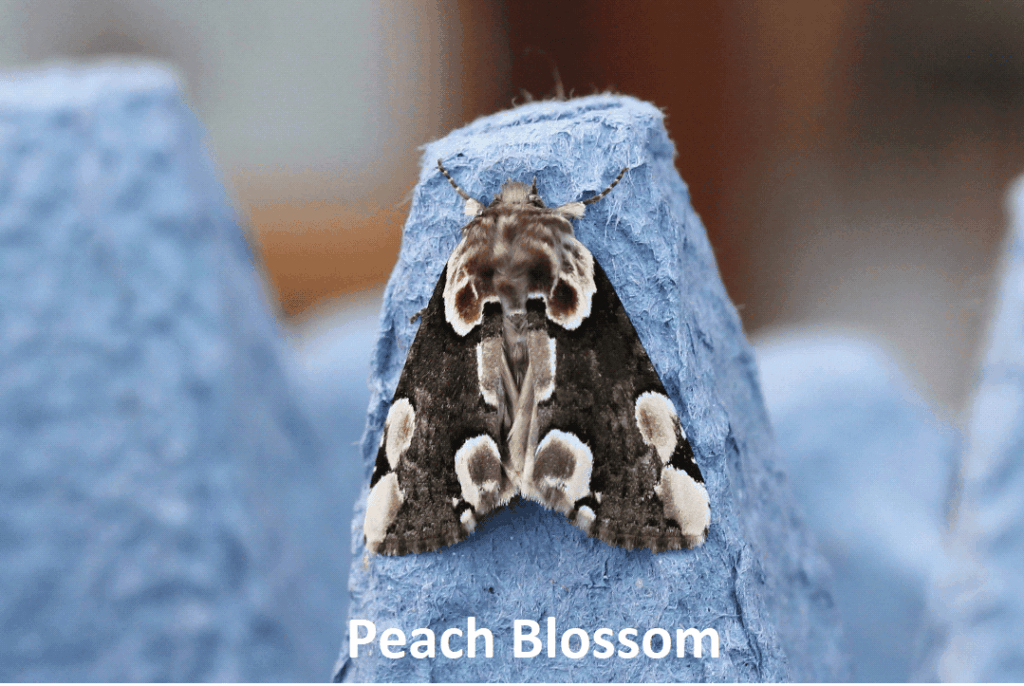
    I’m often asked which is my favourite moth. It’s always a difficult question to answer as there are over two thousand five hundred species in Britain alone and many are strikingly marked. I tend to like different moths for different reasons. One of the prettiest is the Peach Blossom, I’ve caught it a few times at Hazel Hill.

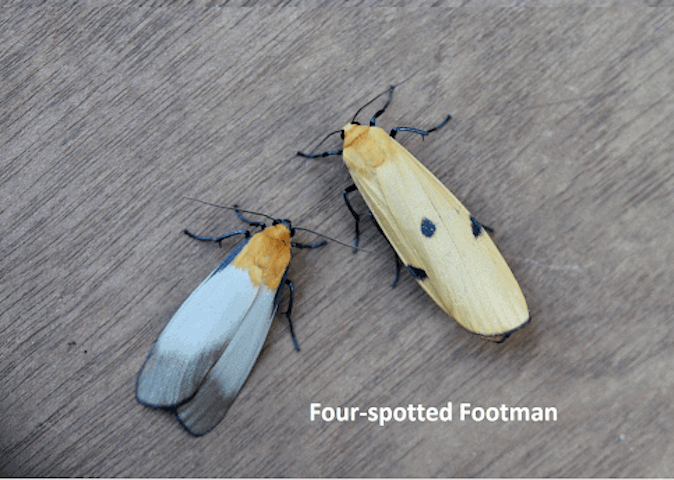
    Also I like the Four-spotted Footman. Most male and female moths of the same species are generally similar but In the Four-spotted Footman they are quite different. Only the female has spots. It has two on each wing but as it sits with one wing folded over the other, it looks as though it only has three.

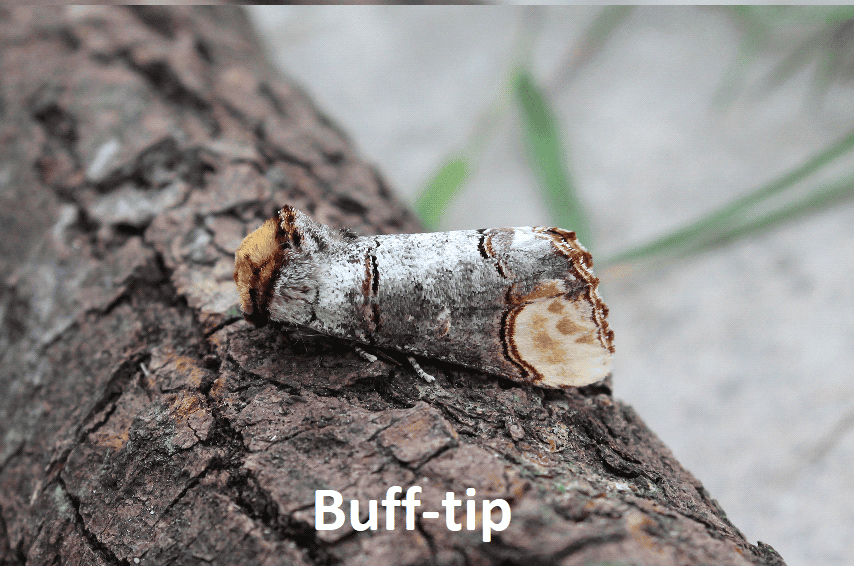
    One of the moths Hazel Hill guests always like is the Buff-tip as it is camouflaged to look like a piece of a twig.

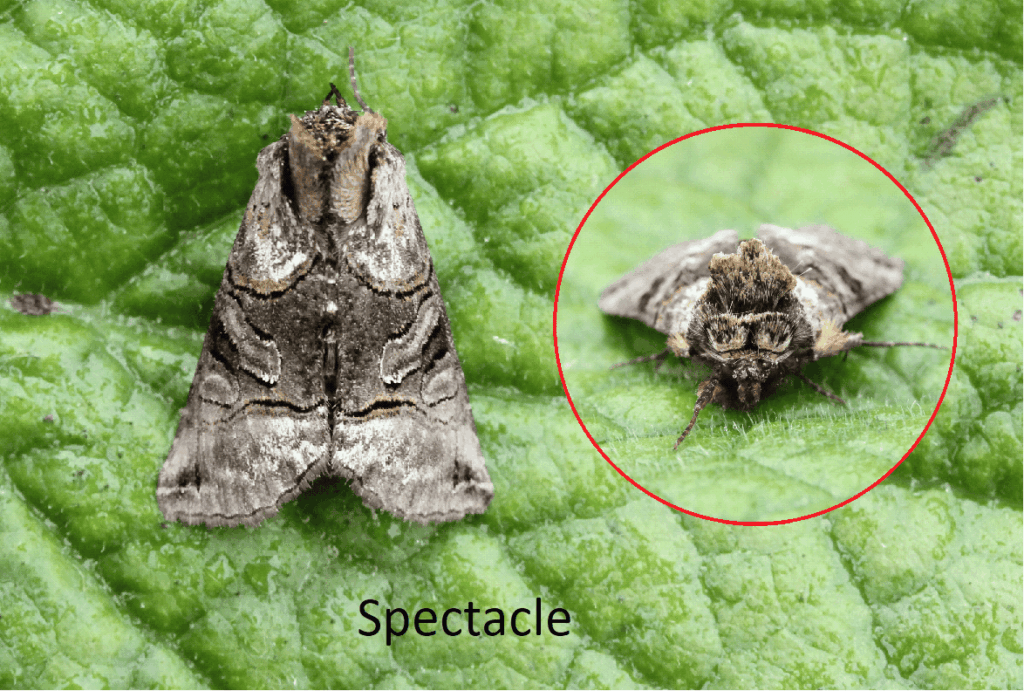
    The Spectacle is another popular moth. It looks quite ordinary viewed from the side, but head on it appears to be wearing glasses.

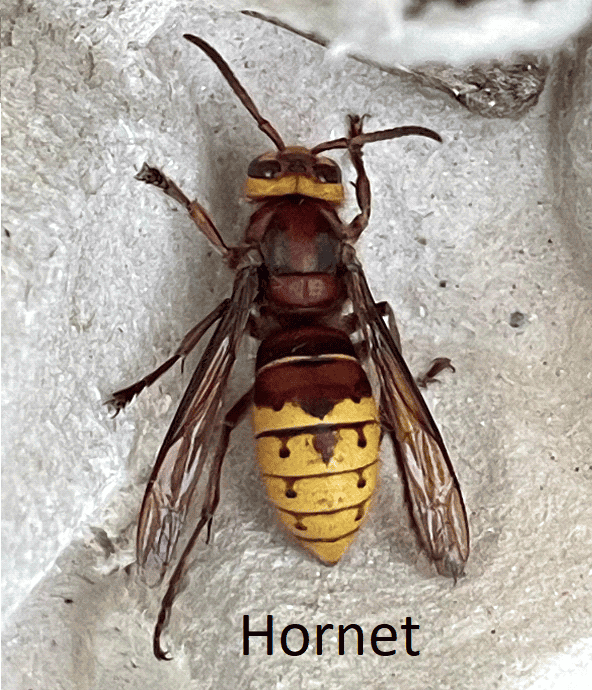
    Not everything you catch is actually a moth. Any flying insect can be attracted by light. Things like Caddisflies, Cockroaches, Shield Bugs and Beetles are regularly found in the traps. Unfortunately, Hornets are regular visitors too. They are handsome insects but can be a nuisance as they will eat lots of the moths.

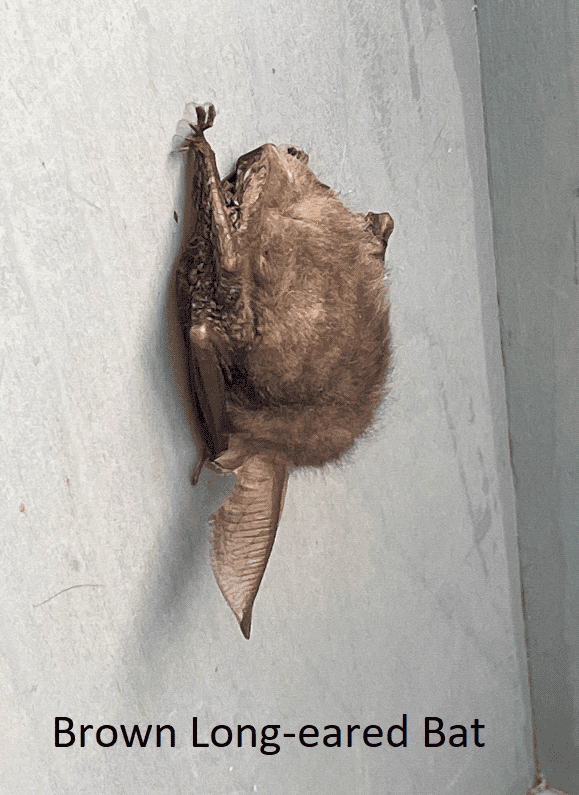
    Even more unusual, I have had a Brown Long-eared Bat inside my garden trap on two occasions. Bats often fly over the moth traps eating the flying moths. Sometimes in Summer you can actually see a rain of moth wings falling from the sky. They are brilliant fliers but I guess occasionally they might make a slight miscalculation and in they go. The first one that got caught just went to sleep in the trap but the second spent the night rambling round the egg boxes and ate most of the moths!

    Story and photographs by Dave Lawman, Hazel Hill Volunteer.

  • 16 years of conservation weekends

    16 years of conservation weekends

    Memories from 16 years of Autumn Conservation weekends from our Chair of Trustees

    This year will be the first time in many that I haven’t been part of the Hazel Hill Wood Autumn Conservation Weekend. And so, in my absence I’ve trawled my photo archive to join the dots between this one that I will miss and the many that I have attended.

    2009

    Even though it was longest ago I remember this visit most clearly. Mary and I arrived later than expected in the dark and found our way to the Oak House. Back then it hadn’t been extended, and so the dining room was much smaller and the kitchen was in a different building. I remember waking up to my first morning at Hazel Hill Wood. I still love the clarity that morning light brings. 

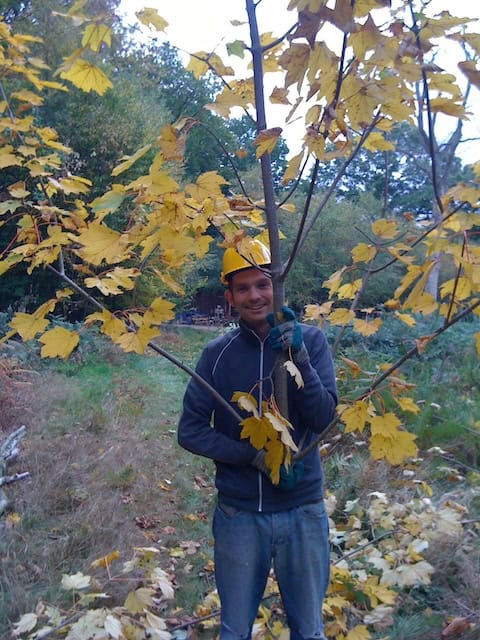
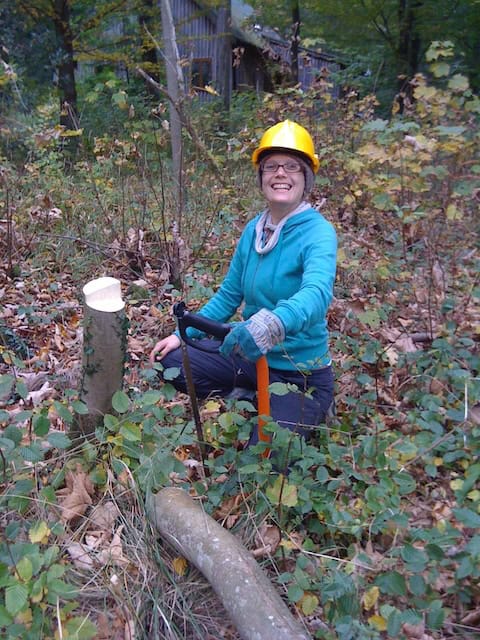
    In those days the conservation weekends were led by Alan Heeks, our founder at Hazel Hill. That weekend he had brought in the charity Butterfly Conservation to train people on small tree felling. The idea was to create butterfly rides — openings in the woodland that enable butterflies to cross the site in full sun. Our forestry plan at that time was prioritising removing sycamore from the site, which is what Mary and I got stuck into. The first time I had felled a tree. We also planted a willow hedge around a circle of grass, with the idea that it would take and form a circular arbour.

    2010

    This year we stayed in the newly finished Forest Ark, which was commissioned by Alan to be a showcase of high-tech off-grid living.

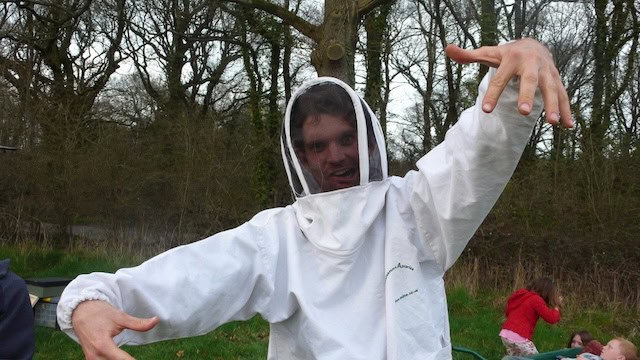
    Memories of what happened in which weekend are a bit hazy. For instance, I remember going with the bee keeper to inspect the hives, and even saw a hatchling sawing its way out of its hexagonal incubator. But the photo data tells me this was in fact at spring conservation weekend that same year. 

    We also around that time put a major kink in the entrance track and planted trees in the bend — part of a gradual process of taking out the straight lines of forestry plantation and returning to more organic forms.

    2011

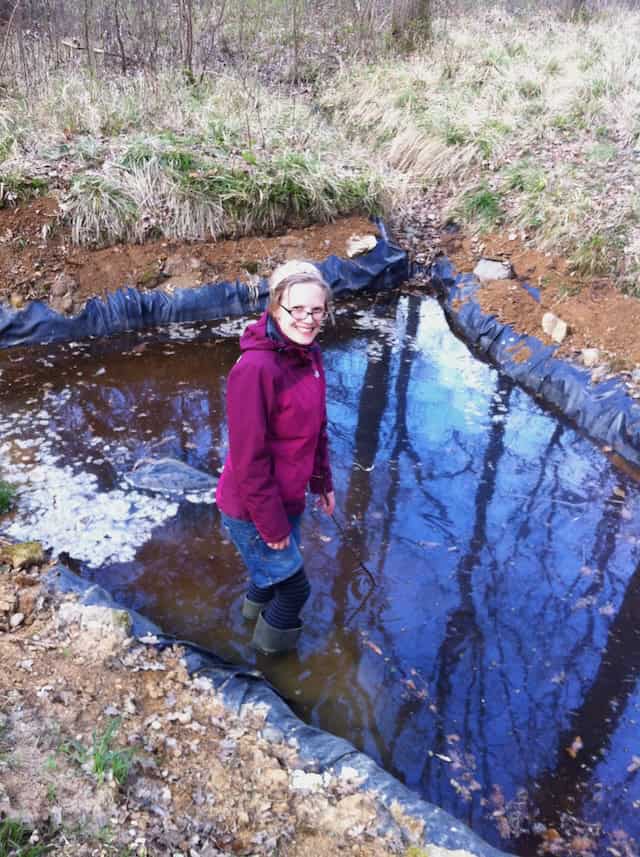
    If I were to put a date on, I would say this was the year we planted the Sweet Chestnut Grove. Again, it is blurry what happened at the spring weekend and what happened in autumn. It had been very dry so we spent a lot of time figuring out how to get a hose to the chestnut saplings. We spent time trying to fix the lining of the pond by the entrance track. We also created a new ride — the short opening from the entrance track down to the Gate Keeper tree and out to the field. The aim was to create more connectivity for the butterflies.

    2011 was also the first time we walked to the wood. With so many people arriving by car it seemed a radical idea to arrive by foot. The lovely route took us from the station at West Dean over farmland and then in through the other side of Farley. There was possibly a pint at the Hand in Glove along the way.

    2015

    After 2011 Alan stopped the conservation weekends as they were becoming too much to manage alone, the costs to the wood outweighing the benefits. Then in 2015, Mary and I proposed an alternative model — what if we charged a small amount to attend, and promoted the event as a weekend of conservation and recuperation. ‘Escape the screen and enter the green’, I remember saying on one of our posts.

    The event was a great success. Co-leading it with us was Amanda Dennis, artist and gardener. We had in the region of 25 overnight guests. Bear in mind that the Hideway hadn’t been built yet so we all squeezed in. If you add in the day visitors, at our peak we had 50 people for lunch. At least by then the new kitchen had been built in the Oak House, so we had more room to cater.

    A couple of the innovations we introduced were:

    Tea break in the wood, saving time walking back and forth to the Oak House. and little kids allowed, a new thing for Hazel Hill.

    Looking back, I think it was also the first visit to the wood for our trustee Lily Gilder.

    2016

    I have no memory of the 2016 event, except that we came by bus — another idea that I would love to catch on. My only photo is this one.

    2017

    I see from the photos that 2017 was also the first year that our Treasurer, Jenny Maresh, first visited the wood.

    With Hazel Hill Trust now an established charity, in 2017 Mary and I decided to handover the organisational reins to the Hazel Hill team and this was our last one organising… or so we thought. We received a lovely gift from the wood team for our involvement over the years.

    2018

    By 2018 the conservation weekends were being run by the Hazel Hill team, with our brand new conservation and education officer Charley Miller starting to play a significant role. I don’t have many photos of this year, but I do have these, of Alan with our founding general manager, Marcos Frangos; and of Charley.

    2019

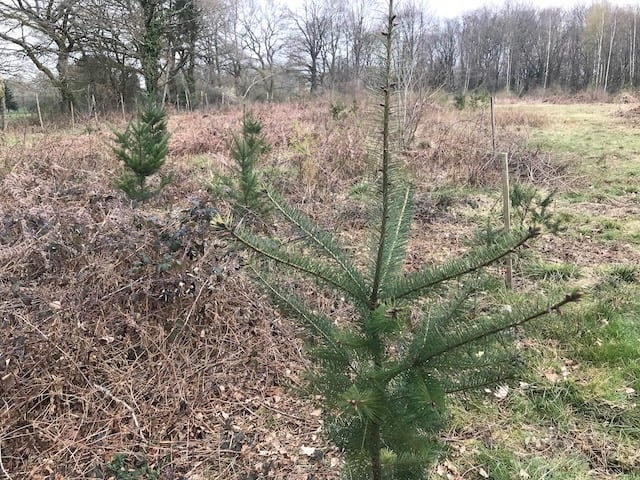
    In 2019 we were busy with looking after the North-West Frontier area. We had replaced a diseased plantation of Corsican Pine with Douglas Fir. The work in spring and autumn was to clear the brush from around these saplings to give them a head start. By 2019 I had become a trustee, and so I was back involved again.

    2020

    In 2020 we held a mini spring conservation weekend in February. Little did we know that would be our last visit to the wood for some time.

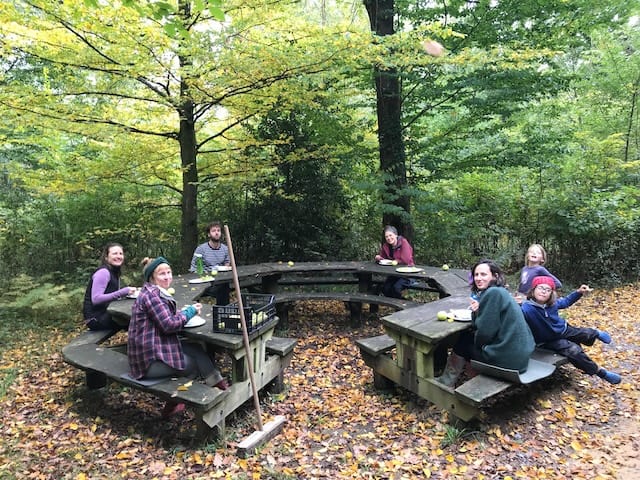
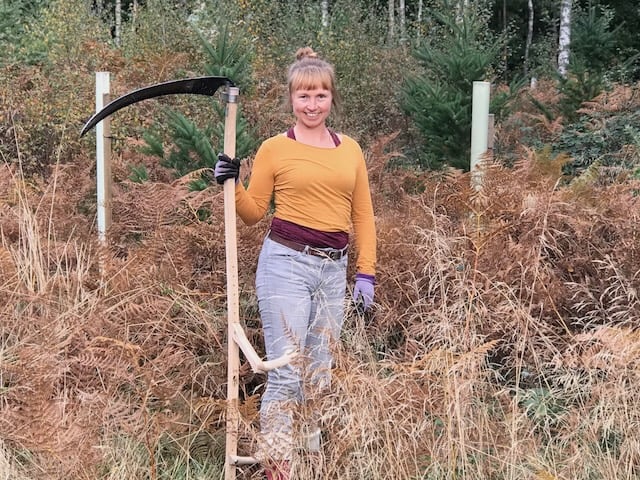
    And yet somehow by the autumn, the lockdown had lifted and we were back. Note how far apart we are all standing. Also lots of evidence here of scything, introduced by Charley joined the team in 2018 and now a main-stay of our conservation methods.

    2021

    By autumn 2021 we were back again and standing closer together.

    Autumn Conservation Weekend

    2023

    I have no record or recollection of 2022, so on to 2023. With the Hideaway up and running we now had more space and this one was a big one. Lovely photos here of more scything in the North West Frontier. We also cleared back the regenerating hornbeam around the Oak House to let in more light. And Mary led us in a singing workshop at the Southern Cross.

    2024

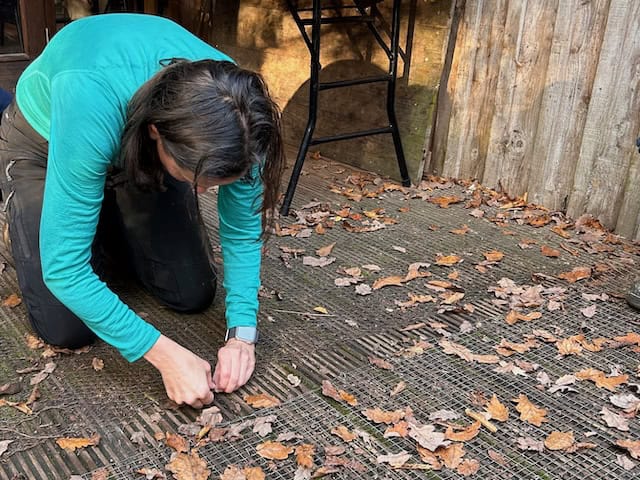
    This is another low-memory year. But Jenny definitely fixed the wire mesh on the Oak House deck. And this year we finally gave up on the willow hedge around the gathering circle that we were planting back in 2008, but that never took root. But that’s the way of these things we experiment, we try things out, and we keep coming back, as we have been for 16 years.

    2025

    And so in 2025, I wish good luck to the team who are leading this year’s event, Mary, Jenny and Charley. I am sorry I can’t be there with you. 

    And a special thank you to Mary Stevens who has behind the scenes for so many year been making these conservation weekends great, bringing so many new people to the wood and helping them have a nourishing experience that helps them and helps the wood.

  • Young Carers Summer Activities

    Young Carers Summer Activities

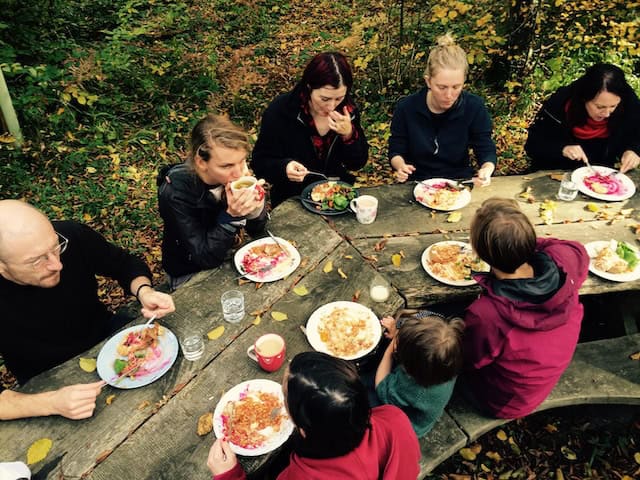
    Thanks to the Hedley Foundation’s grant of £2000 we were able to run summer holiday activities for Eastleigh Young Carers in 2025. We ran one 2-night residential for 14 young people and one day visit for 16 young people. All were aged 10-16.

    What did we do?

    • Wildlife activities – pond dipping, bat walk and a moth survey.
    • Campfires – including cooking “nourish my roots” and “green goddess” soups on the fire.
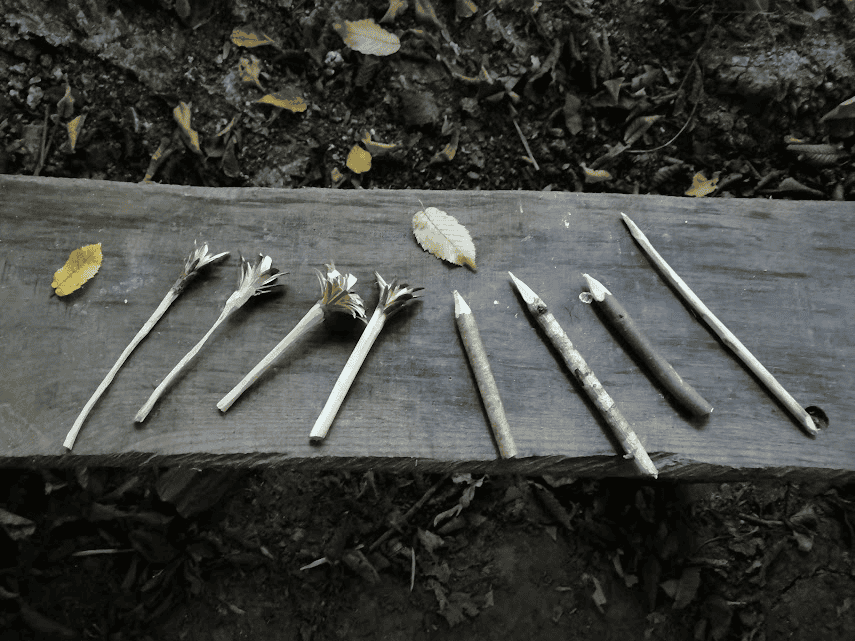
    • Whittling – using bushcraft knives to whittle a flower.
    • Games – meet a tree, manhunt, uno.
    • Plenty of free time – as requested by the young people!
    • Preparing meals and washing up in teams (supported by adults).
    Whittled Flowers

    Positive impacts for the young people

    • They had a much-needed break from their caring responsibilities and difficult home lives.
    • They learnt about wildlife, including bats, moths, newts, dragonflies and other pond creatures.
    • They experienced off-grid living in a high-quality, wildlife-rich woodland – including compost toilets and no mobile phones.
    • Friendships were made and teamwork skills were strengthened. 
    • They tried new foods (especially when cooked on the campfire, and what they had cooked themselves!).
    • They went away with new cooking skills.
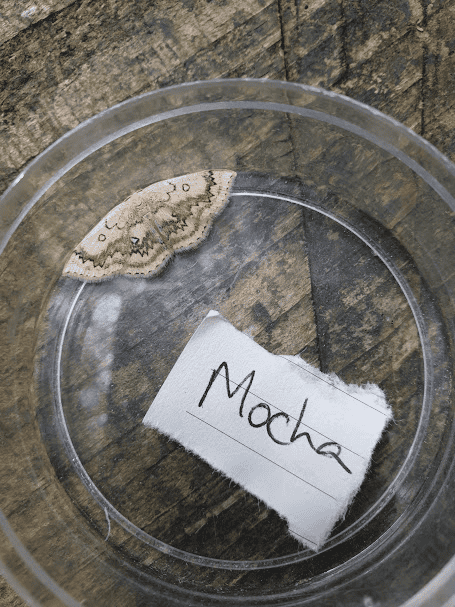
    Mocha moth – caught using a light trap, released afterwards

    Case study

    Tamsin* is very shy and usually speaks quickly and quietly if at all. In the group, she tends to keep to herself. She is very keen on wildlife, and we see a different person in her at Hazel Hill Wood, particularly during wildlife-focused activities. Tamsin was putting her hand up and answering questions about bats with the whole group, which she doesn’t usually do. When Tamsin gets the chance to speak about things she’s interested in, like wildlife, she slows down, speaks up and chooses to interact with other people, including young people. Tamsin and Leo* stayed on to keep chatting to the moth survey volunteers and see more moths when everyone else had gone back for cake and custard. It is heartwarming to see Tamsin flourish in this environment. 

    *names changed

    What next?

    Following the success of these visits, we are now planning for a bigger and better 2026, reaching more young carers who will benefit from respite, education and fun at Hazel Hill Wood. We also plan to extend our opportunities to adult carers.

  • Reflections on Words in the Woods

    Reflections on Words in the Woods

    Reflections from Caroline Hukins on her recent creative writing day retreat at Hazel Hill Wood.

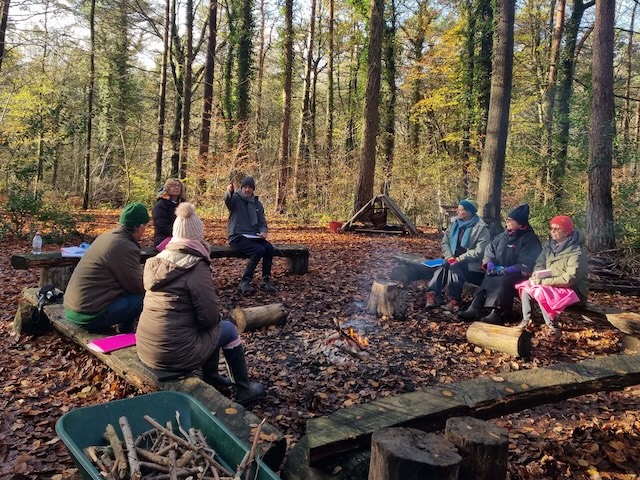
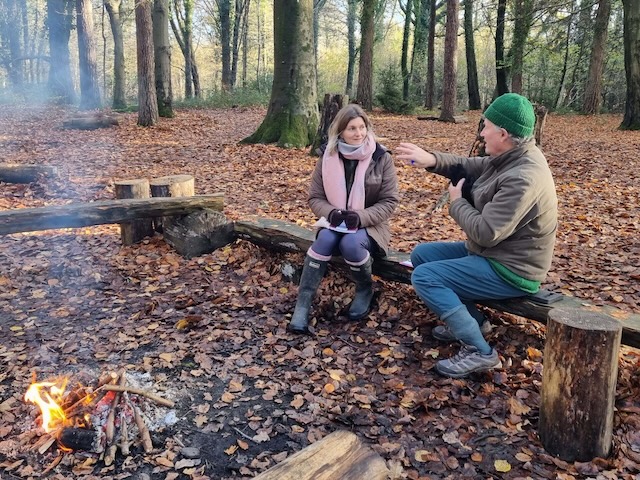
    ‘Words in the Wood’ was something of an experiment both for myself and for Hazel Hill Wood. Would it work to offer creative writing, outside, in November? Would people come? Would they engage? Or would the potential discomfort and cold be a barrier? As a counsellor and therapeutic writing practitioner, I loved
    the idea of it, and I wanted to try.

    I imagined a crisp, clear autumn day, the warmth of the fire,
    the sound of lively chatter… but would it in reality mean fingers too numb to write, a fire un-lightable because of the wet, a group too shivery to enjoy themselves?

    In the end, eight brave souls attended, admirably willing to write and share their work together, largely outside, on a brisk November day.

    We began with a mindfulness walk with Ruth from Corsham Counselling. Very slow, sensuous, grounding. We focused on breath, movement, and took time to notice our surroundings through all our senses. We observed the rich autumnal shades, the song of a
    mistle thrush, wind rustling through leaves, distant sounds of the modern world, the mulching of our own footsteps. We smiled at being gently invited to focus on our sense of smell just as
    we passed the composting toilet.

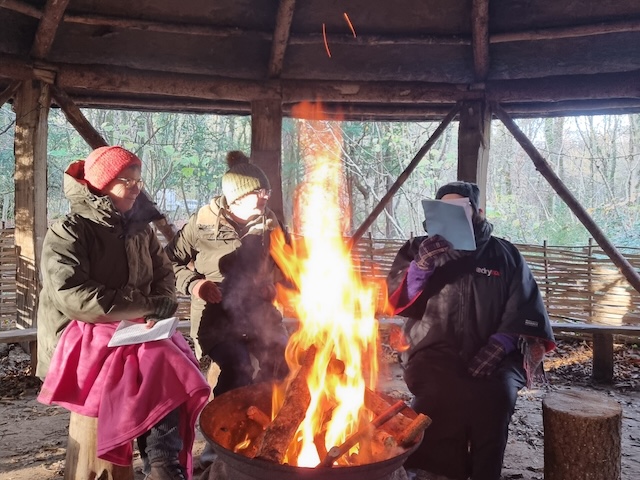
    As we slowed, and gave attention to our natural world noticings, we noticed our language changed too. When we all wrote, around the Heartwood fire a few minutes later, our words were more languorous, sensuous; details precisely observed and captured. And our attitudes also slowed. Hurry receded, appreciation advanced.

    “I noticed just how many leaves are on the ground. It’s autumn and a mattress is now all around. In my garden, this is bothersome and needs attention. Here it is a blanket, preparing for a winter by covering the ground, warming and feeding the earth.”

    (more at Creative Writing in the Woods — Still Waters)

    The environment was inspiring. So much rich stimulus was available to us, moving through the forest, or sitting around an open fire in the crisp winter sun. Writing in nature sometimes generated unexpected themes. The wisdom of trees made itself felt for all of us, whether helping to explore grief and loss, or gently shifting perceptions of self. One participant was astonished to find “the tree gave me a poem”. It really did feel as if the words had come from a source outside herself.

    My writing prompts were well received, and people found it helpful to have a direction and focus for their writing, though nothing was compulsory or pressured. It was astonishing what could be produced, or discovered, in less than ten minutes. At times deep and reflective, at others, playful and childlike, the writing seemed to take us where we needed to go.

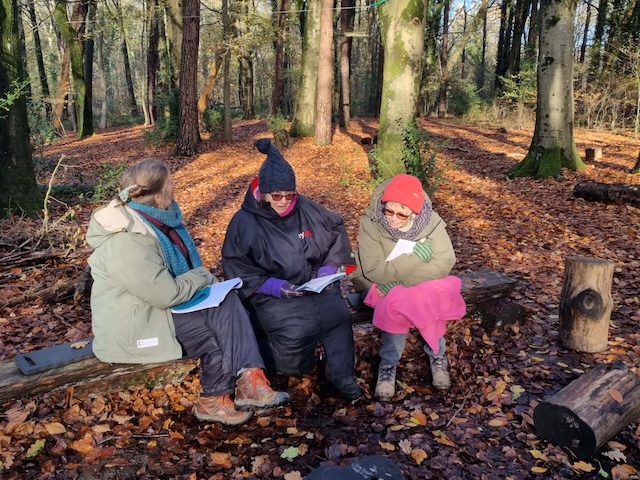
    I think we all felt that unique connection with other people that comes from sharing an experience outside the norm. Scribbling rhymes astride a damp log. Dashing for shelter as the rain intensified. Sharing not-quite-fairy-stories under a makeshift shelter around a blazing fire. Surprising ourselves with our own creativity and enjoying the words and the humour of others.

    “I just got all my anger out through an overflowing porridge pot!”

    So yes, it worked! Admittedly, there were some cold feet, and a read-around that was rather halting due to rain-smudged paper. But it didn’t matter. The stimulation and inspiration from the natural world far outweighed any inconvenience and personal discomfort. As a facilitator, a day of constant weather changes adds another dimension of concern, but the group readily entered into the spirit. 
    Antonia ran from one location to another, trying to anticipate where
    the weather might push us next, keeping fires stoked in all the right places. The quest to find shelter, warmth and inspiration meant a lot of relocating, thinking on my feet, corralling group members out from under canopies and hedgerows… but the drama became part of the magic. And it fuelled our words.

    In haiku:

    Come to Hazel Hill
    The magic is infectious
    No matter the weather

    When sun emerges
    On an autumn afternoon
    My heart warms fastest

    A satisfying ending (or beginning?)

    As we concluded, all the things I’d worried about in the morning were forgotten. The wood, as always, had done its job, and most worries pale to insignificance in this rich environment. As we concluded our final round together, the mood was of new friends, warmth, relief, a rediscovery of, or perhaps reacquaintance with, our creative selves.

    “I feel calm. Like I’ve opened a new chapter and given myself time to be me – which is exactly what I came for.”

    Photographs by Caroline Hukins

  • The Story of the Oak House

    The Story of the Oak House

    An introduction to one of our first buildings, and a letter to our guests, from our retired founder, Alan Heeks

    Dear guests,

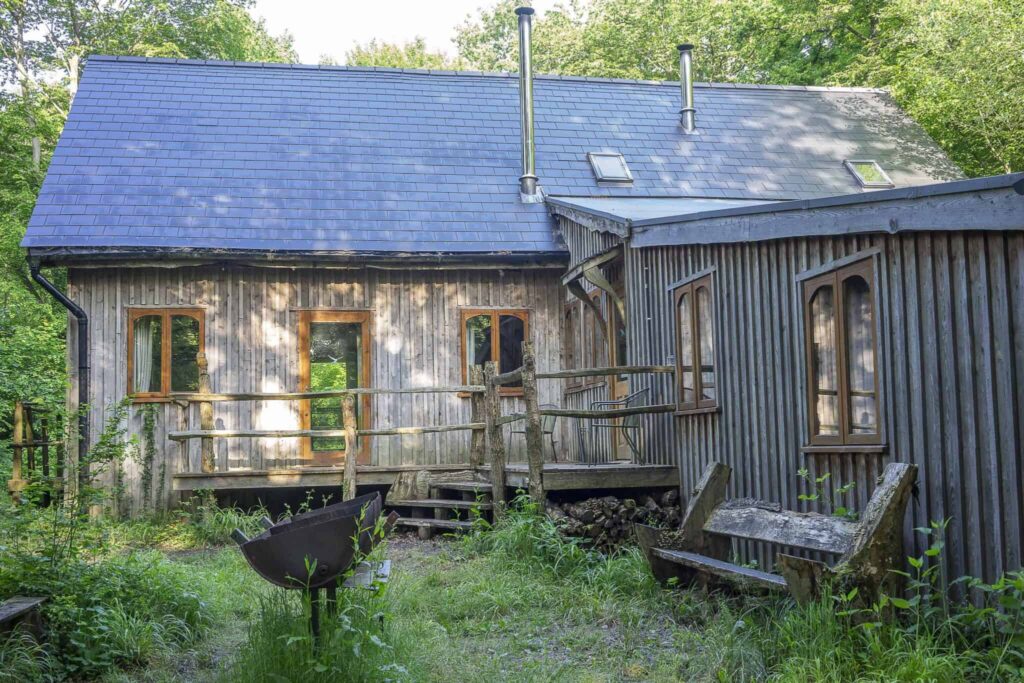
    I have been deeply involved in the creation of all the buildings at Hazel Hill since I took on the stewardship of this wood in 1987. I thought you might like to know a bit of the back story of the building called the Oak House.

    Our first accommodation building at the wood was the Longhouse: this is the small building you see at right angles to the Oak House. It felt like a big deal when we created it in 1997: at the time, my forestry manager asked if I wanted any timber set by for future buildings and I said I couldn’t imagine it. Within a year, I realised we needed something much bigger, and the plans for the Oak House started to evolve.

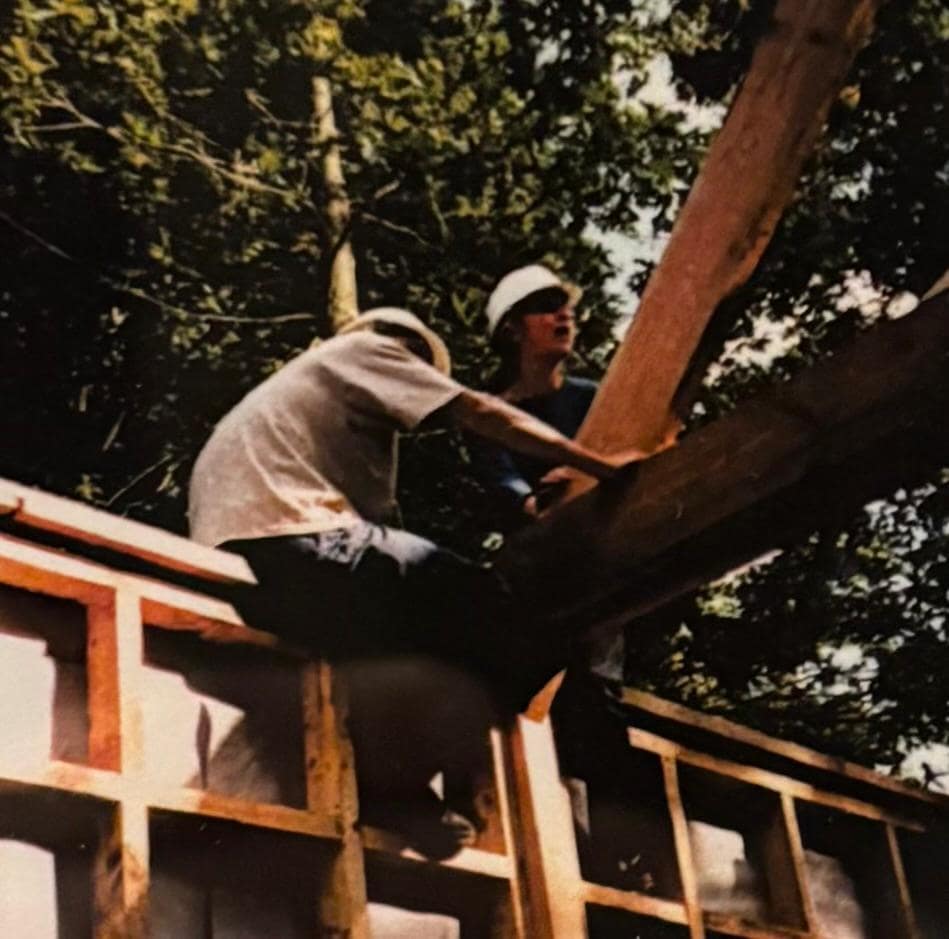
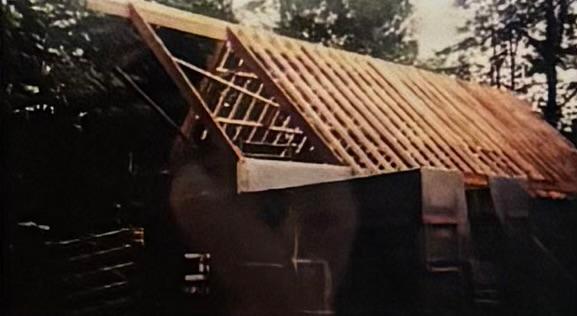
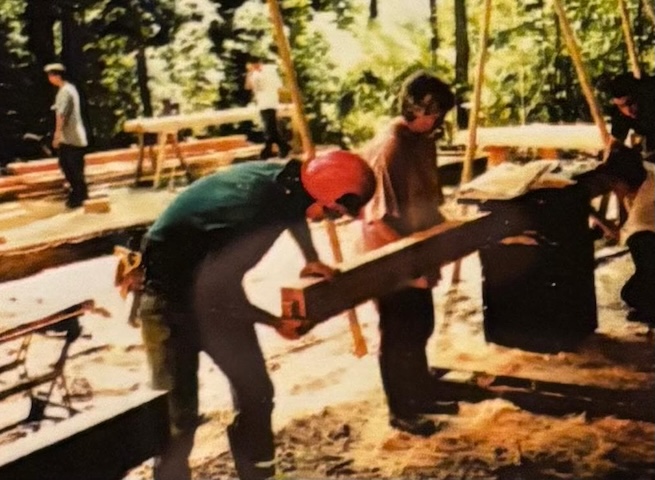
    I discussed the project with a couple of architects, whose ideas were too grandiose, so I designed the building myself, with a structural engineer to specify the framing. I was keen on the ideas of Christopher Day, inspired by his books about building with volunteers, and how this creates a special atmosphere. So, my plan was to recruit a small team of professionals who would guide volunteers to create the building. This is roughly what happened, but the hassle, cost, and time it took were all far more than I had imagined.  

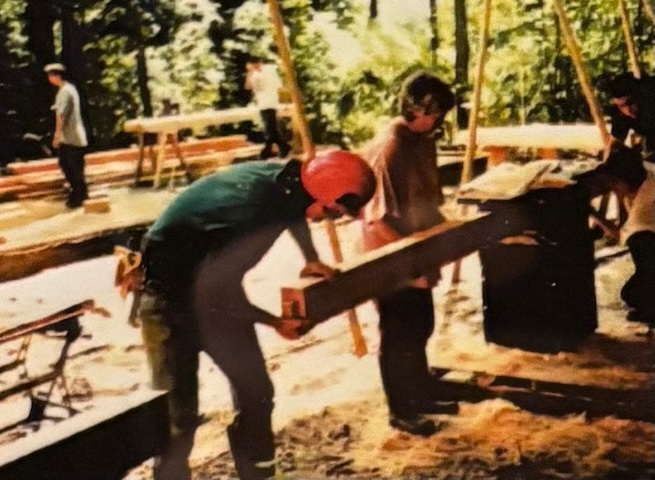
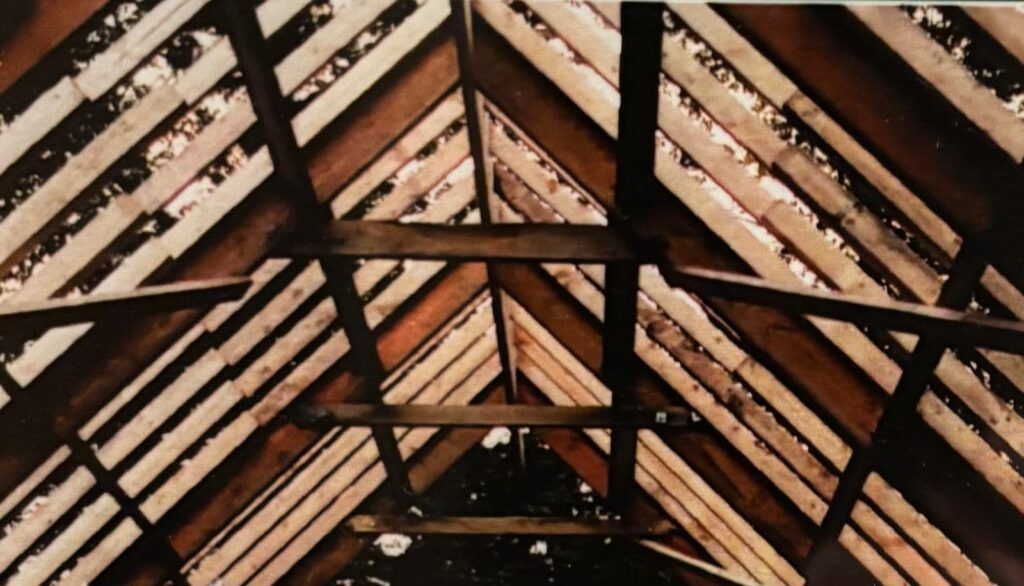
    Part of my vision for the building was to celebrate the millennium in it. We had some delays with planning permission, so we did not start on site until July 1999. The building team were living in tents and benders, usually 12-18 people. Our hopes of completing by the end of the year were ambitious: I did see in the millennium here, but parts of the building were blanked off with plywood, and it was not fully complete until May 2000. You can see some pictures of the construction process on the wall in the corridor by the showers. Here are a few of my memories:

    Helena, a young German violinist who was between jobs, had no prior building experience but fabricated most of the window frames.

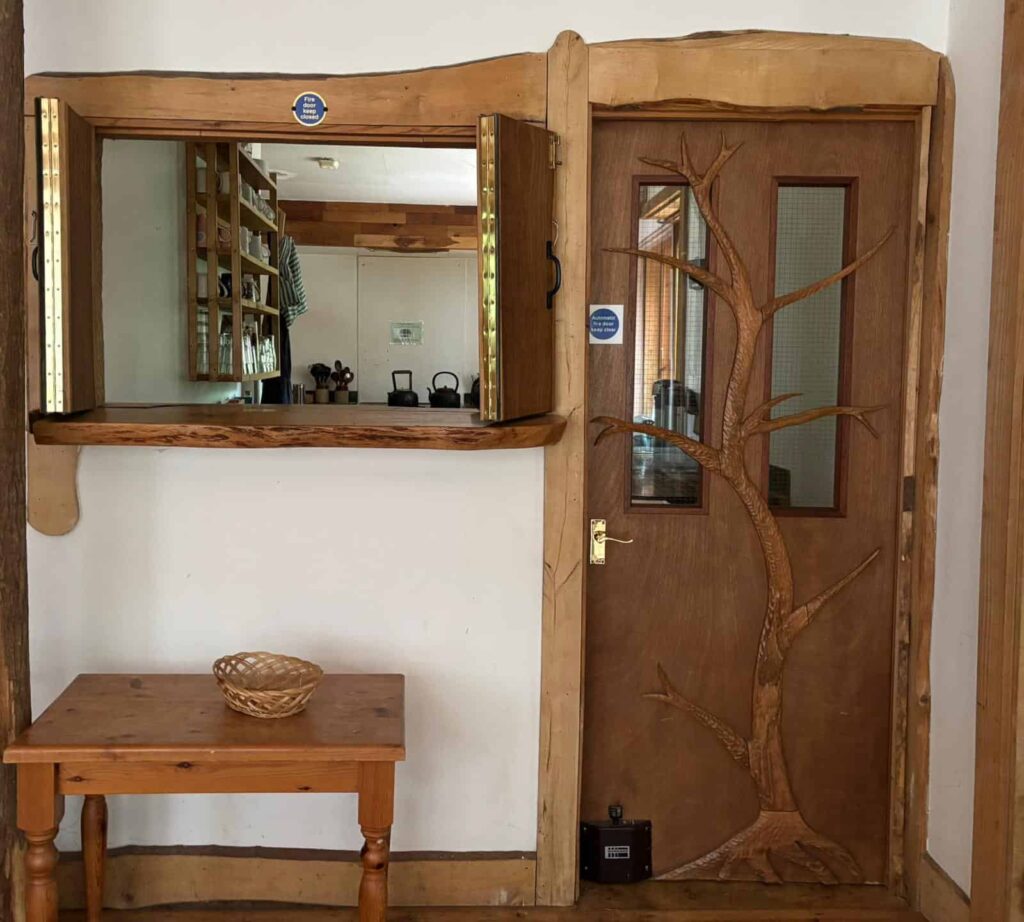
    James, the son of a friend of mine, created the front door whilst a furniture design student. 

    One of our team met two young guys with a horse-drawn mobile forge, who happened to be going along the road outside the wood. They joined us on site for a couple of months, and created the door and window handles and candle holders.  Some of the timber comes from the wood: we had a great community spirit for several day with teams moving large tree trunks with ropes, and a mobile sawmill planking them up.

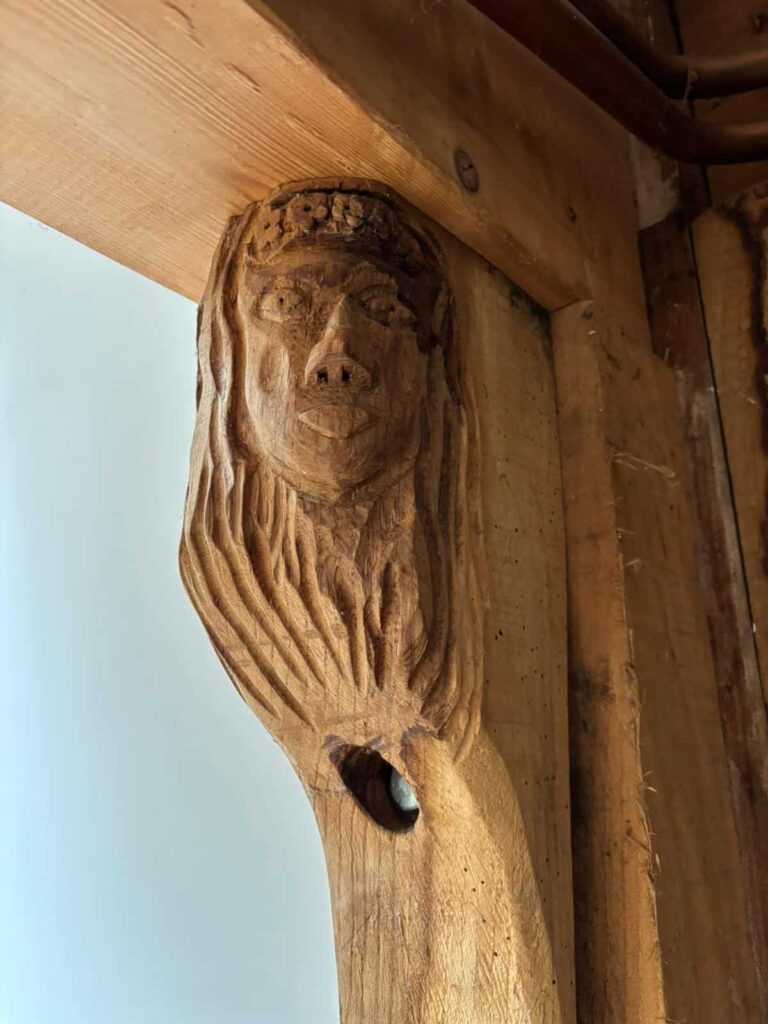
    When first built, the Oak House had no kitchen: we continued to use the small kitchen in the Longhouse. In 2012 we built an extension, and created the new kitchen where two bedrooms had been.  This work was led by professionals, and I had the bright idea of getting two creative craftsmen involved, who were in friendly competition to create interesting features. See if you can spot the copper grapevine, and the mouse, owl and other features carved into the wood.  

    One of our volunteers played the bagpipes, and this was the morning wakeup call: our neighbours still complain about this, twenty years later!

    Many of the features of the building came from the volunteers, for example, making the skirting boards waney-edged, and the design of the small bedrooms upstairs.  

    I hope that you enjoy your stay in the Oak House, and can tolerate its eccentricities. 

    With best wishes,

    Alan Heeks